- Page d'accueil /
- fournitures industrielles /
- Professional Medical Supplies /
- Examination Supplies & Consumables /
- Eye Charts /
- Ishihara Test Chart Books, for Color Deficien...
0 ratings




Numéro d'article:
7930137
Ishihara Test Chart Books, for Color Deficiency
88% des répondants recommanderaient ceci à un ami
Numéro d'article:
7930137
HTG 4118
Price Details
Excluding Shipping & Custom charges ( Shipping and custom charges will be calculated on checkout )
*All items will import from États-Unis
En stock
 Importé depuis la boutique USA
QTY:
Commandez maintenant et recevez votre commande aux alentours du Jeudi, Juin 25
Transaction sécurisée
Ubuy s'engage à protéger votre sécurité et votre confidentialité. Notre système avancé de sécurité des paiements garantit la confidentialité en chiffrant vos informations lors de la transmission grâce aux protocoles AES (Advanced Encryption Standards) et SSL (Secure Socket Layer). Vos coordonnées de paiement sont 100 % sécurisées car nous ne partageons pas vos informations de paiement avec des vendeurs tiers.
nos meilleurs partenaires logistiques


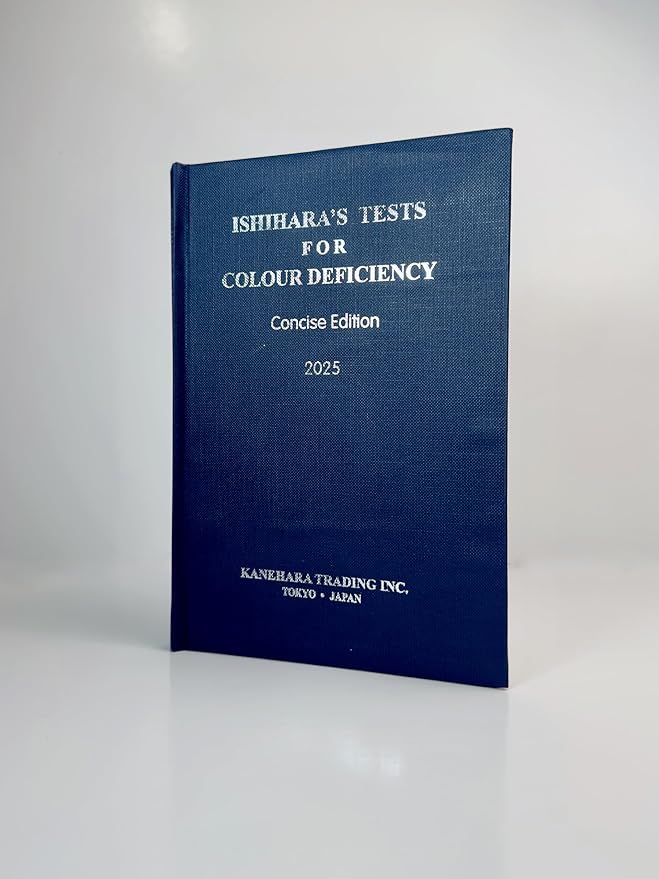
The Ishihara Colour Deficiency Test is ideal for commercial/industrial colour screening for protan and deutan defects.

Livraison
rapide

Retour
gratuit*

Emballage sécurisé

Produits 100 % originaux

Conformité PCI DSS

Certifié ISO 27001


Ce qui se démarque
Comprehensive Testing
These books provide a thorough assessment of color vision deficiency, giving users a complete understanding of their color perception capabilities and identifying specific color weaknesses.
Professional Quality
Designed with high-quality printing and accurate color representation, these charts ensure reliable results, making them suitable for both personal use and professional settings like clinics and schools.
Portable Format
Lightweight and easy to carry, these test chart books are perfect for on-the-go assessments, allowing for quick screenings and evaluations anytime and anywhere without the need for bulky equipment.
Détails du produit
- Ishihara Test Chart Books for Color Deficiency
- Ideal for commercial and industrial color screening
- Patients must identify numbers or patterns in a matrix of colored dots
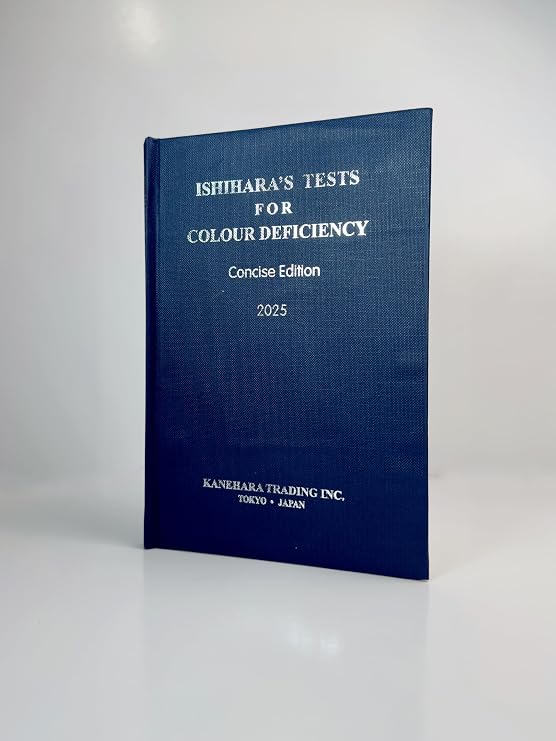
- 14-plate Concise Edition for accurate color deficiency examinations
- Includes User Manual
- Specifically designed for protan and deutan defects
| Is Discontinued By Manufacturer | No |
| Item model number | 1254 |
| Date First Available | May 27, 2004 |
| Manufacturer | Graham-Field |
| Brand Name | Graham-Field |
| Specific Uses For Product | Color Deficiency Chart Book |
| UPC | 717076043021 |
| Manufacturer Part Number | 1254 |
| Model Number | 1254 |
| Number of Pieces | 14 |
| Number of Items | 1 |
| Unit Count | 1 Count |
| Additional Features | Easy to Use, Instant Result |
| Item Weight | 1 lbs (450 grams) |
À qui est-ce destiné ?

-
Color Blind Individuals
Aids in understanding color vision deficiency and managing daily tasks with practical tests for different color blindness types.
-
Eye Care Professionals
Essential for optometrists and opticians to conduct color vision assessments in patients and provide appropriate guidance.
-
Educational Institutions
Useful for schools and universities to identify students with color vision deficiencies for better academic support and curriculum adjustments.

-
Normal Vision Users
Individuals with normal color vision may find this product unnecessary and unhelpful for their visual assessments.
-
General Public
Not specifically designed for casual use, it may lack engaging content for those without color deficiency concerns.
-
Non-Professionals
Individuals without training may misinterpret results, potentially leading to misdiagnosis without professional guidance or follow-up.
DESCRIPTION DU PRODUIT
Vous avez une question ? Chattez avec nous
Questions et réponses des clients
-
question:
What is the Ishihara Test used for?
répondre: The Ishihara Test is primarily used to diagnose color deficiencies, especially red-green color blindness. It features a series of plates containing colored dots, forming numbers or shapes that individuals with normal color vision can easily identify. Those with color deficiencies, however, may struggle to see the same patterns. This test is crucial for sectors requiring precise color perception, such as graphic design, aviation, and medical fields. Professionals in these areas often use the chart to assess their color vision capabilities effectively. -
question:
How does the Ishihara Test Chart work?
répondre: The Ishihara Test Chart consists of several plates designed with different colors and dot patterns. Each plate typically features a number inside patterns made of colored dots. A person with normal vision will be able to see and read the number, while someone with a color deficiency may not. This method provides a straightforward and visual approach to assessing color perception, making it widely recognized in clinical settings. It’s often used in vision screenings to help determine the best options for individuals facing specific visual challenges. -
question:
Who should take the Ishihara Test?
répondre: The Ishihara Test is suitable for anyone who wants to assess their color vision. It’s particularly beneficial for children, adults, and professionals in careers that demand accurate color perception, like artists, electricians, and pilots. Early identification of color deficiencies can guide educational and occupational choices, ensuring individuals can thrive in their chosen fields without vision-related obstacles. For educators, using this test in the classroom is a great way to understand students' color perception capabilities, promoting inclusive learning environments. -
question:
Are there different versions of the Ishihara Test?
répondre: Yes, there are several versions of the Ishihara Test, including the classic 38-plate test and a simplified 14-plate version designed for quicker assessments. Each version contains various color plates designed to measure different types of color vision deficiencies. The 38-plate version provides a comprehensive overview, while the 14-plate version allows for a quicker assessment, making it suitable for large groups or educational settings. Choosing the appropriate version depends on the context in which it is being used and the level of detail needed. -
question:
Can the Ishihara Test be done at home?
répondre: While the Ishihara Test is typically conducted under controlled conditions in clinical settings, it can be done at home with purchased books or printable charts. However, it’s essential to ensure adequate lighting and a neutral background for the best results. Self-administration can provide useful insights into one's color vision health, but for formal assessments, visiting an eye care professional is recommended. Home tests can serve as an initial screening tool, guiding individuals to seek further evaluation if discrepancies are observed. -
question:
How accurate is the Ishihara Test?
répondre: The Ishihara Test is highly regarded for its accuracy in identifying red-green color deficiencies, which constitute the most common type of color blindness. While it may not comprehensively assess other types of color vision impairments, it remains a reliable screening tool used globally. The test's design helps eliminate guessing, resulting in authentic insights into a person’s color perception. Users should understand that follow-up tests or professional evaluations may be necessary for a complete understanding of any vision issues. -
question:
Can color blindness be treated or corrected?
répondre: Currently, color blindness cannot be cured or fully corrected. However, individuals can use specialized glasses and contact lenses designed to enhance color perception. These aids can help distinguish colors better, making day-to-day activities easier. Additionally, educational resources and adaptive techniques can aid those with color deficiencies in adapting to environments requiring accurate color recognition. Awareness and acceptance are key, allowing individuals to navigate their daily lives effectively while minimizing any potential challenges posed by their condition. -
question:
What are common misconceptions about color blindness?
répondre: One common misconception is that color blindness means seeing the world in black and white. In reality, color-deficient individuals often see colors, albeit differently than those with normal vision. Another misconception is that color blindness only affects men; while it's true that men are more frequently diagnosed, women can also experience color deficiencies. Furthermore, many assume that those with color blindness cannot function efficiently in careers reliant on color perception; however, many successfully adapt and excel with the right tools and accommodations. -
question:
Can children take the Ishihara Test?
répondre: Absolutely! The Ishihara Test is suitable for children, often being a part of vision screenings conducted in schools or pediatric offices. Early detection of color deficiencies is crucial, as it can inform educational strategies and support. The engaging nature of the test, featuring colorful patterns and numbers, makes it appealing to children. Moreover, understanding their color vision capabilities can help children adapt their learning styles and boost confidence in their visual experiences during activities involving color discrimination. -
question:
Where can I buy Ishihara Test Chart Books, for Color Deficiency in Haiti?
répondre: You can buy Ishihara Test Chart Books for color deficiency at Ubuy. This platform offers a variety of options, ensuring you find the suitable chart that meets your needs. Ubuy provides a user-friendly experience, allowing you to navigate through available products easily while giving access to customer reviews that can help inform your purchase decision.
Nutritionist's Take
The Ishihara Test Chart Books are specialized tools designed to identify color vision deficiencies, not nutritional products. As such, they do not have nutritional benefits or health claims typically associated with food items. Their primary purpose is to assess and diagnose color blindness, which can indirectly affect overall well-being by helping individuals understand their visual capabilities better. However, there are no inherent drawbacks related to nutrition since the charts contain no consumable ingredients. They are suitable for all individuals, including those with specific dietary needs, as they do not have any nutritional content or restrictions. Therefore, while this product is a useful diagnostic tool, it does not contribute to dietary health or nutrition.
Graham-Field Eye Charts 1254 Editorial Review


The Ishihara Test Chart Books for Color Deficiency are a reliable tool for testing color blindness. The book is available in different editions, including a 14 plate edition and a 38 plate edition. Customers have found the product to be as described and of good quality. It is commonly used in ophthalmology practices and comes with recommended testing and key. The book is well worth the cost and is highly recommended for those in need of color deficiency testing.
Avis et évaluations clients
121 évaluations des clients
-
5 étoile
77%
-
4 étoile
5%
-
3 étoile
2%
-
2 étoile
8%
-
1 étoile
8%
Donnez votre avis sur ce produit
Partagez votre avis avec d'autres clients
Avantages
- Reliable tool for testing color blindness
- Comes in different editions
- Good quality
- Recommended for use in ophthalmology practices
Les inconvénients
- Not the concise edition as pictured
Historique des prix du produit
Informations importantes
- Limitations : Pour les produits expédiés à l'international, veuillez noter que toute garantie du fabricant peut ne pas être valide ; les options de service du fabricant peuvent ne pas être disponibles ; les manuels, instructions et avertissements de sécurité des produits peuvent ne pas être dans les langues du pays de destination ; les produits (et les matériaux qui les accompagnent) peuvent ne pas être conçus conformément aux normes, spécifications et exigences d'étiquetage du pays de destination ; et les produits peuvent ne pas être conformes à la tension et aux autres normes électriques du pays de destination (nécessitant l'utilisation d'un adaptateur ou d'un convertisseur le cas échéant). Il incombe au destinataire de s'assurer que le produit peut être importé légalement dans le pays de destination. En cas de commande auprès d'Ubuy ou de ses filiales, le destinataire est l'importateur officiel et doit se conformer à toutes les lois et réglementations du pays de destination.
- Tous les produits listés sur Ubuy ne sont pas à vendre, Ubuy étant un moteur de recherche mondial. Les produits sont soumis aux réglementations en matière d'exportation et de commerce.
HTG 4118
Commandez maintenant et recevez votre commande aux alentours du Jeudi, Juin 25
This item is not restrict in my country.(Please click on above link if this item is not restrict in your country, So our team will review and allow.)
QTY:
Transaction sécurisée
Ubuy s'engage à protéger votre sécurité et votre confidentialité. Notre système avancé de sécurité des paiements garantit la confidentialité en chiffrant vos informations lors de la transmission grâce aux protocoles AES (Advanced Encryption Standards) et SSL (Secure Socket Layer). Vos coordonnées de paiement sont 100 % sécurisées car nous ne partageons pas vos informations de paiement avec des vendeurs tiers.
nos meilleurs partenaires logistiques
Livraison transfrontalière la plus rapide
Caractéristiques et avantages
- Ideal for commercial/industrial use
- Tests for protan and deutan defects
- Identifies numbers or patterns in a matrix of coloured dots
- 14-plate (Concise) edition
- High accuracy selected from 38-plate (Complete) edition for minimum examinations
- Easy to use with user manual