- Page d'accueil /
- Livres /
- Health, Fitness & Dieting /
- Psychology & Counseling /
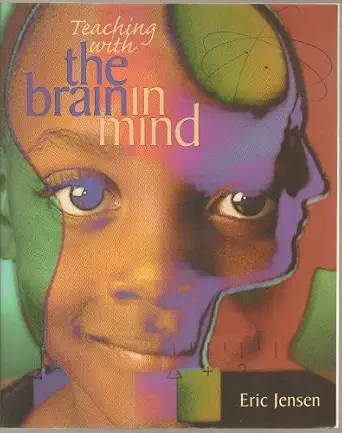
- Teaching With the Brain in Mind Paperback January 1, 19...
0 ratings

Numéro d'article:
34874209
Teaching With the Brain in Mind Paperback January 1, 1998
90% des répondants recommanderaient ceci à un ami
Numéro d'article:
34874209
HTG 2619
Price Details
Excluding Shipping & Custom charges ( Shipping and custom charges will be calculated on checkout )
*All items will import from États-Unis
En stock
 Importé depuis la boutique USA
QTY:
Seulement 1 article restant en stock.
Commandez maintenant et recevez votre commande aux alentours du Jeudi, Juin 25
Transaction sécurisée
Ubuy s'engage à protéger votre sécurité et votre confidentialité. Notre système avancé de sécurité des paiements garantit la confidentialité en chiffrant vos informations lors de la transmission grâce aux protocoles AES (Advanced Encryption Standards) et SSL (Secure Socket Layer). Vos coordonnées de paiement sont 100 % sécurisées car nous ne partageons pas vos informations de paiement avec des vendeurs tiers.
nos meilleurs partenaires logistiques


Teaching with the Brain in Mind fills the gap with the latest practical, easy-to-understand research on learning and the brain

Livraison
rapide

Retour
gratuit*

Emballage sécurisé

Produits 100 % originaux

Conformité PCI DSS

Certifié ISO 27001


Ce qui se démarque
Research-Based Insights
Offers practical strategies grounded in neuroscience, enhancing teaching methods by understanding how students learn and retain information effectively.
Engagement Techniques
Provides innovative engagement techniques that captivate students, fostering a dynamic learning environment that promotes active participation and critical thinking.
Comprehensive Resource
Serves as a valuable resource for educators, combining theory and practice to improve classroom outcomes, making complex brain science accessible and applicable.
Détails du produit
- Every year, millions of parents trust that the professionals who teach their children know something about the brain and processes of learning. But most schools of education offer psychology, not neurology, courses. At best, these psychology courses provide indirect information about the brain and how children actually learn. Teaching with the Brain in Mind fills this gap with the latest practical, easy-to-understand research on learning and the brain. Consider important questions such as - Biologically, can you truly expect to get and hold students' attention for long periods of time? - How has research on rewards been misinterpreted? - Do students actually forget what we teach them, or do we ask them to recall information in the wrong way? - What are the surprising benefits for learning across the board when students participate in some sort of physical education or movement? Teaching with the Brain in Mind balances the research and theory of the brain with successful tips and techniques for using that information in classrooms. From its primer on brain biology to in-depth discussions of emotion, memory, and recall, Teaching with the Brain in Mind is an invaluable tool for any educator looking to better reach students through truly brain-compatible teaching and learning.
| Publisher | Association for Supervision & Curriculum Deve |
| Publication date | January 1, 1998 |
| Language | English |
| Print length | 133 pages |
| ISBN-10 | 0871202999 |
| ISBN-13 | 978-0871202994 |
| Item Weight | 10.6 ounces (300.51 grams) |
| Dimensions | 7.95 x 0.35 x 9.92 inches (20.2 x 0.9 x 25.2 cm) |
À qui est-ce destiné ?

-
Educators
Teachers seeking research-based strategies to enhance student learning through a better understanding of brain processes.
-
Student Support
Counselors and tutors aiming to develop effective interventions based on cognitive and emotional needs of learners.
-
Curriculum Developers
Individuals designing educational programs who want to incorporate neuroscience principles for improved instructional techniques.

-
Non-Educators
Individuals outside the education field who may not find the teaching strategies relevant to their professional or personal lives.
-
Advanced Academics
Scholars seeking highly technical or specific neuroscience research may find this book too general and elementary.
-
Casual Readers
Occasional readers or those not involved in teaching may not benefit from the focused educational strategies presented.
DESCRIPTION DU PRODUIT
Vous avez une question ? Chattez avec nous
Questions et réponses des clients
-
question:
What is the main focus of 'Teaching With the Brain in Mind'?
répondre: The primary focus of 'Teaching With the Brain in Mind' is to integrate cognitive science with educational practices, providing insights into how the brain learns. This book delves into critical aspects like memory, attention, and motivation, equipping educators with strategies to enhance student engagement. For instance, understanding the neurological basis of learning can help teachers implement techniques like active learning and differentiated instruction, ultimately fostering a more effective learning environment. -
question:
Who is the author of 'Teaching With the Brain in Mind'?
répondre: 'Teaching With the Brain in Mind' is authored by Eric Jensen, a prominent figure in educational psychology and cognitive neuroscience. His extensive work in brain-based learning offers educators a unique perspective on applying scientific insights in the classroom. Jensen's background makes him a credible voice in the field, as he presents evidence-based strategies that address diverse learning needs, proving beneficial for both teachers and students alike. -
question:
What key concepts are explored in the book?
répondre: The book explores several key concepts, including brain function related to learning, the role of emotions in education, and effective teaching strategies rooted in neuroscience. Jensen emphasizes the importance of understanding how the brain processes information to develop effective instructional strategies. Educators can apply these concepts to create more engaging lessons that accommodate various learning styles and promote deeper understanding among students. -
question:
How can 'Teaching With the Brain in Mind' support classroom strategies?
répondre: 'Teaching With the Brain in Mind' provides practical strategies that teachers can implement to support diverse learning needs in the classroom. By understanding the neurological processes behind learning, educators can adapt their approaches to improve retention and comprehension. For example, incorporating activities that promote social interaction and emotional connection can enhance cognitive development, making learning more impactful for students. -
question:
Is 'Teaching With the Brain in Mind' suitable for all educators?
répondre: Yes, 'Teaching With the Brain in Mind' is suitable for educators across all levels of experience and subjects. It caters not only to classroom teachers but also to administrators, curriculum developers, and anyone interested in enhancing educational outcomes. The insights offered are applicable in various educational settings, providing a solid foundation for developing brain-friendly instructional practices that work with learners of all ages. -
question:
What makes this book relevant today?
répondre: 'Teaching With the Brain in Mind' remains relevant today due to its foundation in neuroscience, an ever-evolving field linked directly to educational practices. As new research emerges, educators can continually adapt their teaching methods based on the latest findings about brain function. This adaptability ensures that teaching methods resonate with current educational trends and enhance student learning experiences effectively. -
question:
Can this book help with differentiated instruction?
répondre: Absolutely! 'Teaching With the Brain in Mind' provides educators with insights on how to tailor instruction to meet the varied needs of their students. By leveraging brain science, educators learn to create differentiated learning environments that recognize diverse learning styles and paces. For instance, the book illustrates how to design lessons that challenge advanced learners while providing necessary support for struggling students, fostering an inclusive classroom. -
question:
What types of teaching strategies does the book promote?
répondre: The book promotes a variety of teaching strategies, such as active learning, cooperative group work, and the use of visual aids. These strategies are informed by an understanding of how the brain best absorbs and processes information. For instance, incorporating multisensory activities can engage different brain regions, making learning experiences more memorable and effective for students across different backgrounds and abilities. -
question:
What observations does the author make about emotional connection in learning?
répondre: Eric Jensen emphasizes that emotional connections significantly impact learning and memory. The book discusses how emotionally charged experiences enhance information retention and engagement. For example, when educators create a supportive classroom environment where students feel valued, they are more likely to participate actively and invest in their learning, leading to better academic outcomes. -
question:
Where can I buy Teaching With the Brain in Mind Paperback in Haiti?
répondre: You can buy 'Teaching With the Brain in Mind' Paperback at Ubuy. Ubuy offers a convenient online shopping experience and provides access to various educational resources, including this book. You'll find multiple options for purchasing, making it easy to obtain this resource for enhancing your teaching practices.
Psychology & Counseling Editorial Review
"Teaching with the Brain in Mind" by Jensen is a beginner-friendly book on brain-based learning and understanding the parts of the brain. The use of white space, headers, and sketches makes the technical information accessible and easy to follow. It is a useful resource for teachers, educators and even people who work with at-risk children or children living in poverty. While the first edition is still informative, the second edition is preferred.
Avis et évaluations clients
57 évaluations des clients
-
5 étoile
76%
-
4 étoile
11%
-
3 étoile
5%
-
2 étoile
3%
-
1 étoile
5%
Donnez votre avis sur ce produit
Partagez votre avis avec d'autres clients
Avantages
- Beginner-friendly
- Easy to understand technical information
- Useful resource for teachers and educators
- Good condition
Les inconvénients
- First edition is different
Historique des prix du produit
Informations importantes
- Limitations : Pour les produits expédiés à l'international, veuillez noter que toute garantie du fabricant peut ne pas être valide ; les options de service du fabricant peuvent ne pas être disponibles ; les manuels, instructions et avertissements de sécurité des produits peuvent ne pas être dans les langues du pays de destination ; les produits (et les matériaux qui les accompagnent) peuvent ne pas être conçus conformément aux normes, spécifications et exigences d'étiquetage du pays de destination ; et les produits peuvent ne pas être conformes à la tension et aux autres normes électriques du pays de destination (nécessitant l'utilisation d'un adaptateur ou d'un convertisseur le cas échéant). Il incombe au destinataire de s'assurer que le produit peut être importé légalement dans le pays de destination. En cas de commande auprès d'Ubuy ou de ses filiales, le destinataire est l'importateur officiel et doit se conformer à toutes les lois et réglementations du pays de destination.
- Tous les produits listés sur Ubuy ne sont pas à vendre, Ubuy étant un moteur de recherche mondial. Les produits sont soumis aux réglementations en matière d'exportation et de commerce.
HTG 2619
Commandez maintenant et recevez votre commande aux alentours du Jeudi, Juin 25
This item is not restrict in my country.(Please click on above link if this item is not restrict in your country, So our team will review and allow.)
QTY:
Seulement 1 article restant en stock.
Transaction sécurisée
Ubuy s'engage à protéger votre sécurité et votre confidentialité. Notre système avancé de sécurité des paiements garantit la confidentialité en chiffrant vos informations lors de la transmission grâce aux protocoles AES (Advanced Encryption Standards) et SSL (Secure Socket Layer). Vos coordonnées de paiement sont 100 % sécurisées car nous ne partageons pas vos informations de paiement avec des vendeurs tiers.
nos meilleurs partenaires logistiques
Livraison transfrontalière la plus rapide
Caractéristiques et avantages
- Provides practical and easy-to-understand research on learning and the brain
- Balances the research and theory of the brain with successful tips
- An invaluable tool for any educator looking to better reach students
- Covers topics like attention, rewards, memory and recall, and physical education/movement
- Explains brain biology from a primer level to in-depth discussions of emotion, memory, and recall
- Focuses on brain-compatible teaching and learning